Using Photography to Elevate Your Real Estate Website
How real estate website photography shapes first impressions and conversions — from hero images to listing photos, headshots, and the technical details that matter.
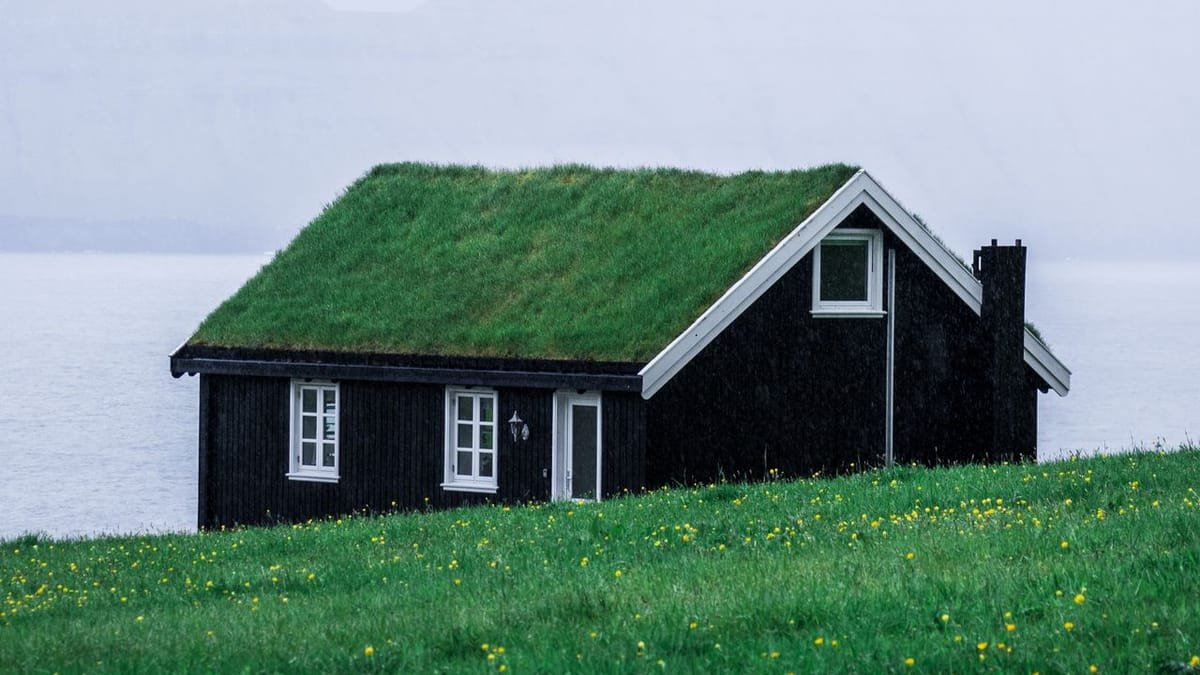
Photo via Pexels
Real estate is a visual business, and your website is where the looking happens. Before a buyer reads a word of your bio or a seller weighs your track record, they react to your images — and that reaction is immediate, emotional, and largely unconscious. Great photography signals competence and care. Dim, crooked, smartphone-grade photos quietly signal the opposite, no matter how good you actually are at the job. With most buyers starting their search online, according to NAR research, your images are doing the talking long before you ever do.
The frustrating part is how often strong agents undercut themselves here. They’ll spend on a logo and a CRM, then fill the site with dark living rooms and a headshot from three brokerages ago. Photography is the highest-leverage visual investment you can make in your website, because it does the persuading before anyone consciously decides to be persuaded. Here’s how to use it well.
First impressions are made in milliseconds
When a visitor lands on your homepage, they judge it almost instantly — and imagery drives most of that snap judgment. The Nielsen Norman Group has shown that users form opinions about a site’s credibility in a fraction of a second, well before they read anything. Your hero image isn’t decoration; it’s the opening argument for whether you’re a professional worth trusting.
That’s why the photo at the top of your homepage deserves real intention. A crisp, well-lit image of a beautiful property in your market does more to establish your level than any tagline. It tells visitors, instantly, that you operate at a certain standard — and it sets the tone for everything below it.
Hero images set the standard
Your hero image is the most-seen photo on your entire site, so treat it accordingly. Choose something that represents the market you serve and the clients you want: a striking modern home if that’s your niche, a warm family-scale property if that’s your buyer. Avoid generic stock skylines that could belong to any agent in any city — they read as filler precisely because everyone uses them.

There’s a technical side to the hero, too. A high-resolution image that isn’t properly compressed can tank your load speed, and speed is both a ranking and a conversion factor — Google’s Core Web Vitals guidance is explicit about this. The goal is a sharp, large image that’s been optimized to load fast, especially on mobile. Beautiful but slow is a loss. For the full picture of how imagery fits with everything else, see what makes a great real estate website.
Listing photos are part of your brand
It’s tempting to think listing photography only matters for selling a specific home, but every listing photo on your site is also an advertisement for you. Consistently excellent listing images train buyers and future sellers to associate your name with quality. The portals know this — browse Zillow or Redfin and the listings that stop your scroll are almost always the ones with professional photography.
For any listing that matters, hire a real estate photographer. Wide-angle composition, proper lighting, level horizons, and tasteful editing are skills, not settings. The cost is modest against a commission, and the payoff compounds across faster sales, happier sellers, and a website that looks like it belongs to a top producer. Twilight shots and drone exteriors, used selectively, add a premium feel that smartphone photos simply can’t match.
Your headshot can’t be an afterthought
Buyers and sellers are choosing a person, and your headshot is the face of that choice. It appears on your homepage, your about page, your portal profiles on Realtor.com, your email signature, and your sign riders. A current, professional, on-brand headshot builds trust; a pixelated or wildly dated one creates a small, persistent doubt.
Invest in a professional shoot and direct the result. Match your wardrobe and the setting to the impression you want — approachable, polished, energetic — and update it when your look changes. This single image carries an outsized share of your personal brand, which is one reason it shows up so prominently in the sites featured in our real estate website examples roundup.
The technical details that protect your investment
Great photos can still be undermined by sloppy implementation. A few habits keep your imagery working for you instead of against you:
- Compress every image so it loads fast without visible quality loss; modern formats help here.
- Write descriptive alt text for accessibility and a small SEO benefit — Moz’s beginner’s guide to SEO explains why image alt text matters.
- Use consistent dimensions and crops so galleries and grids look intentional rather than ragged.
- Mind the rights — only use photos you own or are licensed to use, and credit when required.
These aren’t glamorous, but they’re the difference between a photo library that elevates your site and one that slows it down or creates legal headaches. Marketing resources like the HubSpot blog regularly cover how image optimization affects both performance and engagement.
When to use video and virtual tours
Still photography carries most of the weight, but motion has earned a permanent place on modern real estate sites. A short video walkthrough or a smooth 3D virtual tour lets remote and relocating buyers experience flow and scale in a way photos can’t, and it keeps visitors on your page longer — a signal search engines quietly reward. For a flagship listing or your own brand reel, well-produced video is a genuine differentiator.
The caveat is restraint. Autoplay video in your homepage hero can crush load speed and frustrate mobile visitors who just wanted to see listings, so use it deliberately rather than reflexively. Host video on a platform built for it instead of self-hosting large files, keep clips tight, and always give a fallback image for slow connections. Used with discipline, motion elevates a site; used carelessly, it bloats and slows it.
Build a photo workflow you can repeat
The agents whose sites stay sharp over time don’t get lucky on a single shoot — they build a repeatable workflow. Decide in advance the look you want, brief your photographer the same way each time, and keep an organized library of optimized, consistently named files so updating a listing or refreshing the homepage takes minutes, not an afternoon. A little system here prevents the slow drift toward a mismatched, dated gallery that creeps in when every shoot is a one-off scramble.
It also helps to think about how often you’ll refresh. A homepage hero can stay current for a year or more, while listing galleries turn over constantly and your headshot should be revisited whenever your look meaningfully changes. Building those cadences into your routine keeps the site feeling alive rather than frozen at launch, and it spreads the cost of photography across the year instead of landing it all at once.
It also pays to plan for the full set of images a site needs before you book: a hero option or two, a clean headshot, a few lifestyle or neighborhood shots, and your best listing work. Capturing them together keeps the visual language consistent and saves you scrambling for a usable photo later. Treat your image library as an asset you maintain, the same way you maintain your CRM.
Photography is an investment, not an expense
The agents whose websites feel premium almost always made one decision early: they treated photography as core infrastructure, not a line item to trim. Strong hero imagery, professional listing photos, and a current headshot work together to make you look exactly like the kind of professional people want handling their biggest transaction — before you’ve said a word.
If your site is doing your photography a disservice, or your photography is doing your site a disservice, we can fix both. Will2Design builds real estate web design that frames your imagery for maximum impact and speed. Get a free quote and let’s make your website look as good as the homes you sell.
Want a website that turns readers into clients?
Tell us about your real estate business and get a free, no-pressure quote.